
iptv zoom calls comparison
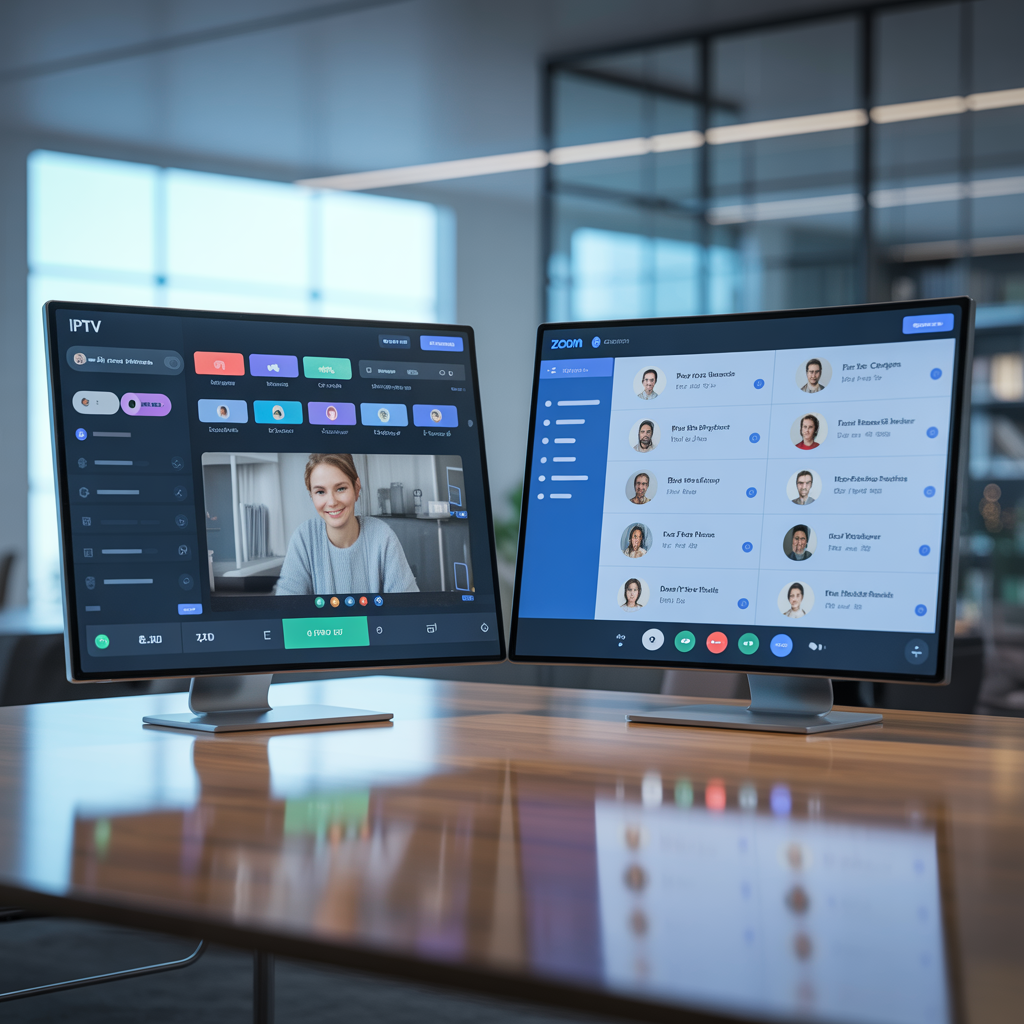
IPTV vs Zoom Calls: A Deep Dive into Two Different Digital Experiences
In today’s fast-changing digital world, two services that people often hear about, sometimes even in the same conversation, are IPTV and Zoom. At first glance, these two might seem like they belong to completely different categories—one is primarily about entertainment and broadcasting, while the other is built around meetings, collaboration, and communication. But when you step back and look at how both are consumed, how they rely on internet infrastructure, and how they shape modern lifestyles, you begin to see surprising similarities and contrasts.
This blog aims to take you on a detailed exploration of IPTV versus Zoom calls—what they are, how they work, what they mean for individuals and businesses, and where they might evolve in the future.
The goal here isn’t to decide which one is “better” in a strict sense, because they serve different purposes. Instead, the idea is to unpack how each platform fits into daily life, what lessons one can learn from the other, and how both reflect the broader shifts in our digital ecosystem.
Understanding IPTV: The Modern Way to Watch TV
In recent years, the way we watch television has shifted dramatically. Traditional cable and satellite TV services, while still present, are being joined—and in many cases replaced—by a new technology known as IPTV, or Internet Protocol Television. If you’ve ever wondered what IPTV is and how it works, this guide will walk you through everything you need to know in a clear and approachable way.
What is IPTV?
IPTV stands for Internet Protocol Television. Unlike traditional TV, which is delivered through radio waves, satellites, or cable networks, IPTV uses the internet to deliver television content. This means that instead of receiving a fixed broadcast at a scheduled time, viewers can stream live TV, movies, or shows directly over their broadband connection.
Essentially, IPTV converts television signals into data that can be transmitted over your internet network. This opens up a world of possibilities: you can watch content on your smart TV, computer, tablet, or even smartphone, and you can choose what you want to watch when you want to watch it.
How Does IPTV Work?
At its core, IPTV works through three main components:
- Content Delivery: Television content is encoded into digital data, ready to be sent over the internet.
- Transmission: The data is transmitted over IP networks, often through broadband internet connections.
- Playback: The end device (TV, smartphone, or computer) decodes the stream and displays it to the user.
Unlike traditional broadcast methods, IPTV allows for real-time interaction, such as pausing, rewinding, or fast-forwarding content. It also enables features like video-on-demand (VOD), which gives users the freedom to watch shows at their convenience rather than following a strict schedule.
The Benefits of IPTV
There are several reasons why IPTV has gained popularity:
- Flexibility: Watch your favorite shows anytime, anywhere, on a variety of devices.
- Variety: Access thousands of channels from around the world, including niche or international content that traditional cable may not offer.
- Personalization: Many IPTV services allow users to create watchlists, set reminders, and even receive recommendations based on viewing habits.
- Cost-effectiveness: IPTV subscriptions are often cheaper than traditional cable or satellite services, especially for international content.
Challenges of IPTV
While IPTV offers many advantages, it also comes with some challenges:
- Internet Dependence: IPTV requires a stable internet connection. Slow or inconsistent connections can lead to buffering or interruptions.
- Legal and Licensing Issues: Some IPTV services operate without proper licensing, which can be illegal in certain countries.
- Device Compatibility: Not all devices may support IPTV apps or formats, requiring users to check compatibility before subscribing.
IPTV vs Traditional TV
When comparing IPTV to traditional TV, the differences become clear:
- Scheduling: Traditional TV has fixed schedules, while IPTV allows on-demand viewing.
- Device Access: Traditional TV typically requires a set-top box, whereas IPTV can be accessed on multiple devices.
- Content Variety: IPTV often offers more international and niche channels compared to cable or satellite providers.
The Future of IPTV
As internet speeds continue to improve and digital infrastructure expands, IPTV is likely to become even more mainstream. Advancements such as 4K and 8K streaming, AI-powered content recommendations, and smart home integration will further enhance the viewing experience. Additionally, hybrid services combining IPTV with live streaming and interactive features are likely to emerge, bridging the gap between traditional television and the interactive potential of the internet.
Conclusion
IPTV represents a fundamental shift in how people consume television content. By leveraging internet technology, it offers flexibility, variety, and personalization that traditional TV cannot match. While challenges remain, particularly regarding internet reliability and licensing, the future of IPTV looks promising for anyone seeking a modern, convenient, and customized viewing experience.
Understanding Zoom Calls: A Guide to Modern Communication
In the modern digital era, Zoom has become a household name. From remote work meetings to online classes, social gatherings, and virtual conferences, Zoom calls have transformed the way people connect across distances. But what exactly are Zoom calls, how do they work, and why have they become so essential? This article will guide you through everything you need to know about understanding Zoom calls.
What is Zoom?
Zoom is a cloud-based video conferencing platform that enables real-time communication through video, audio, and text. Unlike traditional phone calls or face-to-face meetings, Zoom allows multiple participants to interact simultaneously, regardless of their location. Its user-friendly interface and reliable performance have made it one of the leading tools for remote communication worldwide.
How Zoom Calls Work
Zoom operates by transmitting audio and video over the internet. Here’s a simplified breakdown of how it works:
- Connection: Participants connect to a meeting using a unique meeting ID or link.
- Data Transmission: Audio, video, and screen-sharing content are encoded into data packets and sent over the internet.
- Decoding and Display: The recipient’s device decodes the data and displays it in real-time, enabling live interaction.
Zoom also offers features such as screen sharing, chat, breakout rooms, recording, and virtual backgrounds, making it more than just a simple video call platform. These features allow meetings to be interactive and dynamic, supporting collaboration for teams, classrooms, and social groups alike.
The Benefits of Zoom Calls
There are several reasons why Zoom has become a go-to tool for virtual communication:
- Accessibility: Zoom can be used on computers, tablets, and smartphones, making it easy to join meetings from virtually anywhere.
- Scalability: Whether it’s a one-on-one conversation or a large webinar with hundreds of participants, Zoom accommodates a wide range of meeting sizes.
- Cost-effectiveness: With a freemium model, users can access essential features for free, while businesses and organizations can upgrade for advanced functionalities.
- Collaboration: Tools like screen sharing, whiteboards, and breakout rooms allow teams and classrooms to work together effectively, even remotely.
Challenges of Zoom Calls
Despite its popularity, Zoom isn’t without challenges:
- Internet Dependence: A stable internet connection is crucial. Poor connectivity can lead to lag, frozen video, or dropped calls.
- Zoom Fatigue: Long hours of back-to-back meetings can be mentally exhausting, a phenomenon now widely recognized as “Zoom fatigue.”
- Privacy and Security: Early in its rise, Zoom faced scrutiny for security vulnerabilities. While improvements have been made, users still need to be mindful of meeting settings and privacy.
Zoom vs Traditional Meetings
Comparing Zoom calls to traditional face-to-face meetings highlights several key differences:
- Location: Traditional meetings require physical presence, while Zoom allows remote participation.
- Flexibility: Scheduling and joining meetings is simpler on Zoom, which eliminates commuting time.
- Tools: Zoom integrates interactive features like polls, chat, and screen sharing, which are harder to replicate in physical meetings.
Real-Life Use Cases
Zoom has transformed communication in many areas of life. Here are a few examples:
- Remote Work: Teams use Zoom to hold meetings, brainstorm ideas, and collaborate on projects without being in the same office.
- Education: Schools and universities host online classes, lectures, and group discussions through Zoom, making education accessible beyond the classroom.
- Social Connections: Families and friends connect virtually, celebrating birthdays, holidays, and milestones even when apart.
- Events and Webinars: Professionals use Zoom to conduct webinars, workshops, and live Q&A sessions, reaching a global audience.
The Future of Zoom Calls
As remote work, online learning, and virtual events continue to grow, Zoom is evolving to meet new demands. AI-driven features such as real-time transcription, meeting summaries, and automated scheduling are already making calls more efficient. Additionally, virtual reality (VR) and augmented reality (AR) technologies may further transform how we experience virtual meetings, creating immersive and interactive environments.
Conclusion
Zoom calls have become an essential part of modern life, enabling people to connect, collaborate, and communicate across distances. While challenges like internet dependence and Zoom fatigue exist, the platform’s flexibility, accessibility, and interactive features make it a vital tool for both personal and professional communication. Understanding Zoom calls is key to leveraging their full potential, whether you are working remotely, attending school, or simply staying in touch with loved ones.
Shared Foundations: The Internet as the Backbone
In today’s digital world, nearly every service we rely on—whether for entertainment, communication, or work—depends on one invisible but indispensable element: the internet. From streaming your favorite shows to attending virtual meetings, the internet serves as the backbone that makes modern life possible. In this blog, we’ll explore why the internet is the shared foundation for services like IPTV and Zoom, and how its reliability, speed, and reach influence the experiences we take for granted.
The Central Role of the Internet
Imagine trying to watch a live sporting event on IPTV, or joining a Zoom meeting for an important project update, only to have your connection drop repeatedly. The frustration we feel in these moments highlights a critical fact: the internet is not just a convenience; it is the essential infrastructure that enables digital services to function effectively.
Services like IPTV, which deliver high-quality video streams, rely heavily on stable broadband connections. Similarly, Zoom, which transmits real-time audio and video, requires consistent upload and download speeds to ensure smooth communication. Without a robust internet backbone, both platforms—despite their sophistication—cannot meet user expectations.
Bandwidth Matters
One of the key factors in the performance of IPTV and Zoom is bandwidth. Bandwidth determines how much data can flow through your connection at a given time. High-definition video streaming and multi-participant video calls demand substantial bandwidth. When bandwidth is limited, the experience suffers:
- For IPTV, insufficient bandwidth leads to buffering, lower resolution, or dropped frames during live broadcasts.
- For Zoom, it can cause lag, frozen video, or delayed audio, disrupting communication and collaboration.
Understanding bandwidth requirements and ensuring your connection meets them is crucial for anyone who relies heavily on internet-based services. Fiber-optic connections, for example, offer higher speeds and more stability, making them ideal for both IPTV streaming and video conferencing.
Latency and Its Impact
Another important factor is latency, which refers to the time it takes for data to travel from one point to another. High latency can affect IPTV and Zoom in different ways:
- IPTV: While slightly higher latency might not disrupt a TV show, live sports or news broadcasts can experience delays that affect the viewing experience.
- Zoom: Even small delays can create awkward pauses, overlapping speech, and miscommunication in real-time conversations.
Minimizing latency through better routing, faster servers, and quality-of-service management is essential to providing a seamless user experience.
Reliability and Coverage
The internet’s reach and reliability also play a significant role in shaping how services like IPTV and Zoom are used. In urban areas, high-speed broadband and fiber networks make streaming and video calls smooth and consistent. In suburban or rural regions, however, limited infrastructure can lead to frequent interruptions or reduced service quality.
As demand for digital services grows, expanding reliable internet coverage is increasingly vital. The quality of the internet connection directly influences how people consume content, interact with colleagues, and participate in online communities.
The Internet as an Equalizer
Beyond technical considerations, the internet serves as a social and cultural equalizer. For IPTV, it allows people to access international content that might not be available locally, connecting users with diverse cultures and ideas. For Zoom, it enables global collaboration, distance learning, and virtual gatherings, making geographical boundaries less relevant.
By providing a shared foundation, the internet empowers both entertainment and communication platforms to thrive. It supports creativity, productivity, and social connection in ways that were unimaginable just a few decades ago.
Challenges to the Backbone
While the internet is essential, it’s not without its challenges. Network congestion, cyberattacks, and uneven infrastructure can compromise performance and security. IPTV viewers may experience poor streaming quality during peak hours, while Zoom participants might encounter disrupted meetings if the network is unstable.
Service providers continue to invest in stronger, faster, and more secure networks to address these challenges. Advances in 5G, fiber-optic technology, and cloud-based delivery systems are all part of the effort to ensure that the internet remains a reliable backbone for all digital services.
Conclusion
The internet is far more than a tool; it is the foundation upon which modern digital life is built. IPTV and Zoom, while serving very different purposes—entertainment and communication—both rely on this shared backbone. Bandwidth, latency, reliability, and coverage all shape the quality of our experiences. As technology continues to advance, investing in and understanding the internet’s role will be essential for anyone looking to make the most of IPTV, Zoom, and countless other services that define our digital age.
Consumption vs Interaction: Understanding Digital Experiences
In the digital age, the way we engage with content has transformed dramatically. Two common ways people interact with online platforms are through consumption and interaction. Understanding this distinction is key to appreciating how services like IPTV and Zoom shape our lives, influence our attention, and even affect our energy levels.
Defining Consumption
Consumption refers to the passive reception of content. When you watch a television show, scroll through a social media feed, or stream a movie, you are consuming information or entertainment. You are largely a receiver, absorbing what is presented to you without significant real-time contribution.
IPTV is a perfect example of a consumption-focused platform. Viewers can select what they want to watch, pause or rewind shows, and enjoy content on demand. The experience is largely about entertainment, relaxation, and absorbing information without necessarily interacting with other participants.
Defining Interaction
Interaction, on the other hand, requires active participation. Interactive platforms involve real-time responses, engagement, and collaboration. Zoom calls are a prime example: participants speak, respond, ask questions, and share content, creating a dynamic exchange of information.
Interaction requires more cognitive energy than consumption. You must pay attention, think critically, respond appropriately, and sometimes multitask. While consumption can be relaxing, interaction demands focus and engagement, which can be both stimulating and exhausting.
The Key Differences
Understanding the differences between consumption and interaction helps explain why we experience digital fatigue in different ways:
- Energy Levels: Passive consumption, such as watching IPTV, tends to be relaxing and requires less mental effort. Interaction, like participating in Zoom calls, demands more attention and can be draining over long periods.
- Engagement: Consumption is largely one-way; you absorb content. Interaction is two-way or multi-way; you communicate, respond, and collaborate.
- Purpose: Consumption often serves entertainment or learning purposes at your own pace. Interaction serves communication, collaboration, and real-time problem-solving needs.
- Feedback: Consumption usually doesn’t provide immediate feedback. Interaction gives instant feedback, which can guide conversations or decision-making.
Why This Matters
The distinction between consumption and interaction is more than just academic—it has real implications for how we structure our digital lives. Overconsumption can lead to mindless scrolling or binge-watching, while excessive interaction without breaks can lead to mental fatigue and “Zoom burnout.” Recognizing these patterns allows us to balance entertainment and work, relaxation and engagement.
Blurring the Lines
Modern technology is increasingly blending consumption and interaction. IPTV platforms are adding social features, such as live chats or watch parties, while Zoom integrates polling, breakout rooms, and interactive content sharing. This blurring creates hybrid experiences that combine the relaxing aspects of consumption with the stimulating aspects of interaction.
Practical Tips for Balance
To make the most of both experiences, consider these tips:
- Alternate between passive and active digital experiences to manage energy levels.
- Set boundaries for interactive sessions, such as limiting back-to-back meetings.
- Use consumption platforms intentionally for relaxation or focused learning, avoiding mindless usage.
- Experiment with hybrid platforms to enjoy social interaction without overwhelming fatigue.
Conclusion
Consumption and interaction represent two fundamental ways we engage with digital content. Understanding the differences—and the energy, focus, and engagement each requires—helps us navigate our increasingly connected lives. Platforms like IPTV and Zoom illustrate these modes vividly, offering insight into how technology can serve both relaxation and collaboration. Striking the right balance between consumption and interaction is key to maintaining well-being while maximizing the benefits of the digital world.
The Business Models: Subscriptions vs Licensing
In the world of digital services, understanding business models is crucial. Two of the most common approaches are subscriptions and licensing. While they may seem similar on the surface, they serve very different purposes and shape user experiences in distinct ways. This article explores these models, with a focus on how they apply to platforms like IPTV and Zoom.
Subscription Models
Subscription models are built on recurring payments. Users pay a regular fee—usually monthly or annually—to access a service. This approach is common for IPTV providers, streaming platforms, and many software services.
Some key features of subscription models include:
- Predictable Revenue: For providers, subscriptions create steady, recurring income, which helps fund content creation, infrastructure, and service improvements.
- Continuous Access: Users can access content as long as they maintain their subscription, often with options for customization or additional perks.
- Low Entry Barrier: Subscriptions often cost less upfront than purchasing individual licenses or content outright, making it easier for users to start using the service.
IPTV is a perfect example. Subscribers pay a monthly fee to access live channels, on-demand content, or international programming. The value comes from the ongoing service and content updates rather than a one-time purchase.
Licensing Models
Licensing models, in contrast, grant the user the right to use a product or service, often for a set period or under certain conditions. Licensing is common in software, educational tools, and enterprise services.
Key characteristics of licensing include:
- One-Time or Time-Limited Payments: Users pay for the right to use a product, which may include updates or support for a defined period.
- Control and Restrictions: Licenses may limit the number of devices, users, or the duration of use, ensuring compliance with legal and business rules.
- Ownership-Like Access: While users do not “own” the product, licensing gives them a controlled right to use it as if it were their own within the terms set by the provider.
Zoom offers a licensing-style approach for businesses. Free users get basic features, but organizations can purchase Pro, Business, or Enterprise licenses to access advanced functionalities like extended meeting durations, larger participant limits, and administrative controls.
Comparing Subscriptions and Licensing
While both models generate revenue, they create different user experiences and business dynamics:
- Flexibility: Subscriptions allow users to start and stop services easily, while licensing often requires a more structured commitment.
- Value Perception: Subscription users expect ongoing updates and new content, whereas license holders expect a fixed set of features during the license period.
- Revenue Predictability: Subscriptions provide steady income streams; licensing can create spikes when new licenses are sold.
- Scalability: Subscription models often scale more smoothly, as adding new users simply increases recurring revenue. Licensing may involve more administrative overhead for each new user or installation.
Hybrid Models
Many modern platforms use a combination of subscriptions and licensing. For example, Zoom offers free accounts with limited features, subscription plans with recurring payments, and enterprise licenses for organizations. IPTV providers might sell subscriptions while also licensing certain content for on-demand rentals or purchases. This hybrid approach allows companies to maximize revenue while catering to different types of users.
Conclusion
Understanding the differences between subscriptions and licensing is key for both providers and users. Subscriptions offer convenience, ongoing access, and predictable revenue, while licensing gives controlled, often more permanent access with clear usage terms. Both models have their strengths and weaknesses, and many successful platforms, from IPTV to Zoom, leverage elements of both to create flexible, sustainable business strategies. Recognizing how these models shape service access and user expectations helps consumers make informed choices and allows providers to better meet market demands.
Quality of Experience: Buffering vs Lag
When it comes to digital services, user satisfaction often depends on the quality of experience. Two of the most common frustrations for users of IPTV, streaming services, or video conferencing platforms like Zoom are buffering and lag. While they may seem similar, they represent different technical challenges and affect users in distinct ways. Understanding these differences is key to improving digital experiences.
What is Buffering?
Buffering occurs when the playback of video pauses temporarily because the device has not yet received enough data to continue. On IPTV or streaming platforms, you might notice a spinning wheel or a frozen image while the content loads. Buffering is usually caused by slow internet connections, high network traffic, or limited bandwidth.
For users, buffering interrupts the viewing experience and can be particularly frustrating during live events, such as sports matches or news broadcasts. Even short pauses can break immersion and reduce satisfaction.
What is Lag?
Lag, on the other hand, is a delay between action and response, often experienced in real-time communications like Zoom calls. Lag can manifest as delayed audio, frozen video, or overlapping speech, making conversations awkward and difficult to follow.
Lag is typically caused by latency—the time it takes for data to travel from one point to another. High latency, network congestion, or poor routing can increase lag, especially in multi-participant video calls or interactive applications.
Buffering vs Lag: Key Differences
While both buffering and lag affect the quality of digital experiences, they are distinct in several ways:
- Type of Content: Buffering primarily affects passive consumption, like watching IPTV or streaming a movie. Lag affects interactive experiences, such as Zoom meetings or online gaming.
- User Experience: Buffering results in temporary pauses and interruptions, while lag leads to delays and misalignment in real-time interactions.
- Causes: Buffering is usually due to insufficient download speed or data throughput. Lag stems from high latency and network delays, even if bandwidth is sufficient.
- Solutions: Buffering can often be reduced by increasing bandwidth, lowering video quality, or preloading content. Lag may require better network routing, reduced packet loss, or optimized server infrastructure.
Impact on User Engagement
The impact of buffering and lag extends beyond technical inconvenience; it directly affects user engagement and satisfaction. Continuous buffering can lead viewers to abandon IPTV streams or movies altogether. Similarly, lag in Zoom calls can disrupt collaboration, reduce productivity, and cause frustration during important meetings.
For service providers, minimizing both buffering and lag is essential for retaining users and ensuring a high-quality experience. Investments in faster servers, content delivery networks (CDNs), and optimized software protocols are critical to achieving this goal.
Best Practices to Improve Quality of Experience
Here are some practical strategies to reduce buffering and lag:
- Ensure a stable, high-speed internet connection.
- Use wired connections instead of Wi-Fi when possible for critical applications.
- Optimize device settings, such as adjusting video resolution or enabling adaptive streaming.
- Choose service providers with strong server infrastructure and content delivery networks.
- For interactive platforms, minimize the number of background applications consuming bandwidth.
Conclusion
Buffering and lag may seem like minor annoyances, but they can significantly impact how users perceive digital services. Buffering interrupts entertainment and passive consumption, while lag disrupts communication and real-time interaction. By understanding these differences and implementing strategies to minimize them, users and providers alike can enhance the overall quality of experience, making IPTV, Zoom, and other internet-based services smoother, more reliable, and more enjoyable.
Flexibility and Accessibility: Adapting Digital Experiences
In the modern digital landscape, two qualities stand out as essential for any successful service: flexibility and accessibility. Whether it’s IPTV allowing viewers to watch their favorite shows on multiple devices, or Zoom enabling meetings from virtually anywhere, these traits shape how people consume content, communicate, and interact in their daily lives. This blog explores why flexibility and accessibility matter, how they manifest in platforms like IPTV and Zoom, and what the future may hold.
Understanding Flexibility
Flexibility refers to a user’s ability to access services in a manner that suits their schedule, preferences, and devices. For IPTV, flexibility means choosing what to watch and when to watch it—whether live television, recorded shows, or on-demand content. Users aren’t confined by traditional broadcasting schedules; they can pause, rewind, or stream content on smart TVs, computers, or mobile devices.
Zoom demonstrates flexibility in communication. It allows meetings to take place across time zones, from home, the office, or even while traveling. Users can join from laptops, tablets, or smartphones, adjusting their environment without sacrificing participation or productivity. This flexibility is particularly valuable for remote work, distance learning, and global collaboration.
The Role of Accessibility
Accessibility ensures that services are available and usable by as many people as possible, regardless of physical, geographic, or technological limitations. For IPTV, accessibility may include features like closed captions, multiple language options, and compatibility with a variety of devices and internet speeds.
Zoom also emphasizes accessibility through features such as screen readers, keyboard shortcuts, live transcription, and multi-language support. These tools enable people with disabilities, language barriers, or limited technical experience to participate fully in virtual meetings and learning environments.
Flexibility vs Accessibility: A Symbiotic Relationship
Flexibility and accessibility are closely linked. A platform may be flexible, but if it isn’t accessible to all users, its potential is limited. Likewise, a highly accessible service that lacks flexibility may frustrate users who want more control over their experience.
For example, an IPTV platform that streams in multiple languages and includes subtitles is accessible. But if it only works on a single device type or requires rigid scheduling, it fails to offer flexibility. Conversely, a Zoom meeting that can be joined from anywhere is flexible, but without features like captioning, it may exclude participants with hearing impairments.
Why Flexibility and Accessibility Matter
There are several reasons why these qualities are crucial for digital platforms:
- User Satisfaction: Flexible and accessible services allow users to engage comfortably, increasing satisfaction and loyalty.
- Inclusivity: Accessibility ensures that services can reach diverse audiences, breaking down barriers caused by disability, location, or technology limitations.
- Adaptability: Flexibility allows platforms to meet changing user needs, whether that’s shifting viewing habits, remote work schedules, or evolving technology.
- Competitive Advantage: Services that prioritize both flexibility and accessibility are more likely to attract and retain users in a crowded digital marketplace.
Challenges to Achieving Flexibility and Accessibility
While these traits are desirable, they come with challenges. Ensuring cross-device compatibility, maintaining high-quality streaming on variable internet connections, and implementing inclusive features can be technically complex and resource-intensive. Additionally, balancing security and privacy with accessibility often requires careful planning.
Looking Ahead
As technology advances, flexibility and accessibility will become even more critical. Cloud-based solutions, AI-driven personalization, and adaptive streaming technologies promise to make digital services more responsive to individual needs. Emerging standards for accessibility, including improved captions, audio descriptions, and interface adaptability, will ensure that platforms remain inclusive for everyone.
Conclusion
Flexibility and accessibility are no longer optional—they are essential pillars of successful digital services. IPTV and Zoom provide clear examples of how these traits enhance user experience, making entertainment and communication more convenient, inclusive, and adaptable. By focusing on these principles, service providers can create platforms that serve broader audiences, accommodate diverse needs, and stand the test of evolving digital expectations.
Social and Cultural Impacts of Digital Platforms
Digital platforms like IPTV and Zoom have not only changed how we consume content and communicate, but they have also reshaped social norms, cultural engagement, and global interactions. The social and cultural impacts of these technologies are profound, influencing everything from entertainment habits to workplace dynamics and international communication.
Bridging Geographical Boundaries
One of the most significant impacts of digital platforms is their ability to bridge geographical divides. IPTV allows viewers to access international channels, bringing foreign news, films, and cultural programming into homes across the world. This has expanded cultural awareness and exposed audiences to a broader array of perspectives and ideas.
Zoom, similarly, has made it possible for people to connect and collaborate regardless of location. Virtual classrooms, global business meetings, and family gatherings now happen seamlessly, enabling cross-cultural exchanges and maintaining connections that would have been difficult or impossible in the past.
Changing Social Interaction
The rise of virtual communication has shifted how people interact socially. While face-to-face interactions remain important, digital platforms have created new social spaces where people meet, discuss, and collaborate. Zoom calls for team meetings or online study groups have become a norm, while IPTV watch parties and live-streamed events allow shared experiences even when participants are physically apart.
However, this shift also raises questions about social presence and engagement. While online interactions are convenient, they sometimes lack the depth and nuance of in-person communication. Balancing virtual and physical social engagement is a growing consideration for both individuals and organizations.
Influence on Cultural Consumption
IPTV has changed how people consume culture. Traditional broadcasting schedules once dictated what people watched and when. Now, on-demand content allows users to choose programming based on personal preferences, cultural interests, and even time zones. This has democratized cultural consumption, giving niche content the opportunity to reach global audiences.
Zoom has also contributed culturally by enabling virtual events such as concerts, conferences, and workshops. Artists, educators, and thought leaders can share their work with worldwide audiences, creating cultural experiences that are more accessible and inclusive than ever before.
Impact on Work and Education
The social and cultural impacts extend into professional and educational realms. Zoom has revolutionized how people work, learn, and collaborate. Remote work has become feasible for many industries, altering workplace culture and expectations. Similarly, distance learning has expanded educational access, allowing students from diverse regions to participate in programs that were previously out of reach.
IPTV has also influenced professional and educational settings. Informational channels, instructional content, and live news coverage support learning and professional development. This convergence of entertainment, information, and education illustrates how digital platforms blur traditional boundaries.
Challenges and Considerations
While the social and cultural benefits are significant, there are challenges. Digital divides—such as access to high-speed internet or compatible devices—can exacerbate social inequalities. Overreliance on virtual platforms may also affect interpersonal skills, cultural immersion, and community participation. It’s important for users and policymakers to address these challenges to ensure equitable and meaningful access to digital experiences.
Looking Forward
As technology continues to evolve, the social and cultural impacts of platforms like IPTV and Zoom will deepen. We can expect more immersive experiences through virtual and augmented reality, AI-driven content personalization, and global collaboration tools. These developments will continue to influence how people socialize, consume culture, and participate in global conversations.
Conclusion
Digital platforms have reshaped social structures and cultural engagement in ways that were unimaginable a few decades ago. IPTV and Zoom demonstrate the power of technology to connect people, expand cultural horizons, and redefine social interactions. Understanding these impacts is crucial for leveraging technology responsibly, fostering inclusivity, and appreciating the evolving nature of global digital life.
Case Studies: Real-Life Scenarios
Understanding technology in theory is one thing, but seeing it in action brings clarity and perspective. IPTV and Zoom are two digital platforms that have transformed the way people consume media and communicate. Real-life case studies illustrate how these tools impact everyday experiences, from homes and businesses to schools and global communities.
Case Study 1: IPTV in Suburban Homes
In a suburban community in the United States, a family with diverse viewing preferences turned to IPTV. Each family member wanted access to different channels, including international news, sports, and kids’ programming. Traditional cable packages were either too expensive or didn’t offer the desired variety.
By adopting IPTV, the family gained flexibility and cost savings. They could stream content on multiple devices simultaneously—smart TVs, tablets, and smartphones. Live sports events were accessible in high definition, and on-demand shows allowed them to watch at convenient times. The result was increased satisfaction, more family engagement during shared viewing times, and the ability to explore international programming that traditional cable didn’t offer.
Case Study 2: Zoom for Remote Work
A mid-sized marketing company in Europe transitioned to remote work during a global health crisis. Employees were spread across multiple cities, making in-person meetings impossible. By implementing Zoom, the company maintained productivity and collaboration without geographic constraints.
Zoom’s features, including screen sharing, breakout rooms, and recording, allowed teams to collaborate on projects effectively. Weekly virtual meetings kept employees connected socially and professionally. Surveys conducted within the company revealed high levels of satisfaction with communication efficiency, showing that video conferencing can effectively substitute for many in-person interactions when managed well.
Case Study 3: Education and Distance Learning
During the shift to remote learning, a public high school in Asia leveraged Zoom for virtual classrooms. Teachers used the platform to deliver lectures, facilitate discussions, and provide real-time feedback. Students accessed lessons from home, with recordings available for review.
The school also integrated IPTV for educational content, allowing students to watch documentaries, science experiments, and international news relevant to their curriculum. Combining Zoom and IPTV created a rich, hybrid learning environment that supported diverse learning styles, improved engagement, and maintained educational continuity despite physical distance.
Case Study 4: International Collaboration
An international non-profit organization coordinated projects across multiple continents. Team members spoke different languages and worked in different time zones. Zoom provided a reliable communication platform, while IPTV-style streaming allowed the sharing of live events, training sessions, and updates to all offices simultaneously.
This integration improved transparency and collaboration. Real-time meetings ensured that decisions were made efficiently, while streamed content allowed staff who couldn’t attend live meetings to stay informed. The combination of interactive and passive platforms optimized communication and engagement across the organization.
Lessons Learned
These case studies highlight several key insights:
- Flexibility is Critical: Both IPTV and Zoom offer adaptable experiences that fit individual and organizational needs.
- Quality of Service Matters: Reliable internet connections, high-definition streaming, and low-latency video calls significantly impact user satisfaction.
- Hybrid Approaches Enhance Engagement: Combining consumption (IPTV) and interaction (Zoom) provides a more holistic experience.
- Accessibility Expands Reach: Features such as multi-device support, language options, and captioning increase inclusivity.
Conclusion
Real-life scenarios demonstrate that IPTV and Zoom are more than just technologies; they are enablers of modern lifestyles, work practices, and global connections. From family entertainment to professional collaboration and educational continuity, these platforms provide practical solutions to contemporary challenges. Case studies reveal the tangible benefits of adopting these digital tools and offer lessons for maximizing their potential in everyday life.
The Future of IPTV vs Zoom
The digital landscape is evolving at an unprecedented pace, and platforms like IPTV and Zoom are at the forefront of this transformation. While they serve different purposes—IPTV for entertainment and content consumption, Zoom for communication and collaboration—their futures are shaped by overlapping technological trends, changing user expectations, and global digital shifts.
Emerging Technologies Shaping IPTV
IPTV is set to become more immersive, personalized, and integrated into everyday life. Advances in artificial intelligence and machine learning will enhance recommendation algorithms, allowing viewers to discover content that aligns closely with their preferences. Predictive streaming could reduce buffering, optimize bandwidth, and adapt video quality automatically to each device.
Interactive features may also expand. Social viewing experiences, such as watch parties and real-time chat, could make IPTV more participatory, blending consumption and interaction. Virtual and augmented reality technologies might bring immersive entertainment experiences directly into the living room, bridging the gap between traditional broadcasting and interactive digital experiences.
Zoom and the Evolution of Communication
Zoom and similar platforms are evolving beyond simple video calls. AI-driven features like automatic transcription, live translation, and real-time note-taking are improving accessibility and collaboration. Virtual backgrounds, avatars, and mixed-reality environments are making meetings more engaging and visually dynamic.
Integration with productivity tools and cloud services is also becoming seamless. Scheduling, file sharing, and collaboration can all happen within a single platform, transforming Zoom from a communication tool into a full-scale digital workplace ecosystem. As remote work and hybrid work models become the norm, Zoom’s role in professional and educational settings will continue to grow.
Convergence and Hybrid Experiences
One notable trend is the convergence of content consumption and communication. IPTV platforms are starting to include social features that allow users to interact while watching content, while Zoom is exploring streaming integration for webinars, live events, and online entertainment. This hybrid approach blurs the lines between passive and interactive experiences, creating richer, more engaging digital environments.
Accessibility and Global Reach
Both IPTV and Zoom are likely to become even more inclusive and accessible. Multi-language support, closed captions, adaptive interfaces, and mobile optimization are key to reaching global audiences. Reducing digital divides through improved internet infrastructure and affordable access will ensure that these platforms are available to diverse populations worldwide.
Challenges Ahead
Despite exciting prospects, challenges remain. For IPTV, bandwidth limitations, content licensing issues, and regulatory considerations may affect expansion. For Zoom, privacy, security, and digital fatigue are ongoing concerns. Both platforms will need to balance innovation with user trust, reliability, and equitable access.
Looking Beyond 2030
Looking further ahead, IPTV and Zoom may continue to converge with emerging technologies like AI, VR, and 8K streaming. Personalized, immersive experiences could redefine entertainment and communication, while integration with smart home systems, wearable devices, and IoT could make these platforms central to everyday life.
Conclusion
The future of IPTV and Zoom is bright, diverse, and interconnected. While IPTV will continue to enhance entertainment through personalization, interactivity, and immersive experiences, Zoom will redefine communication, collaboration, and education. Both platforms reflect broader trends in the digital ecosystem, emphasizing flexibility, accessibility, and user-centered design. By understanding these trajectories, users and organizations can prepare for a future where digital experiences are more seamless, engaging, and integral to daily life than ever before.
Challenges and Criticisms of Digital Platforms
Digital platforms like IPTV and Zoom have revolutionized how we consume content and communicate. However, with their widespread adoption come several challenges and criticisms. These issues range from technical limitations to social concerns, and understanding them is key for both users and providers looking to navigate the digital landscape effectively.
Technical Challenges
One of the most visible challenges is technical reliability. IPTV users often experience buffering, connectivity issues, or inconsistent video quality due to network limitations. Similarly, Zoom users may face lag, frozen video, or dropped calls, particularly when participating from areas with limited bandwidth.
Additionally, scaling services to support large numbers of users simultaneously is complex. Live events on IPTV or large Zoom webinars require robust infrastructure and content delivery networks (CDNs) to maintain performance. Providers must continually invest in technology to prevent disruptions and maintain user trust.
Security and Privacy Concerns
Security and privacy are significant criticisms of both platforms. IPTV providers must protect copyrighted content from piracy while ensuring user data remains secure. Unauthorized access or leaks of premium content can lead to financial and reputational losses.
Zoom, particularly during the rise of remote work, faced scrutiny over “Zoombombing” incidents, data encryption, and user privacy practices. Protecting sensitive business and personal information is an ongoing challenge, requiring constant updates, transparent policies, and user education.
Digital Fatigue and Overuse
Extended use of digital platforms can lead to fatigue. IPTV binge-watching may contribute to sedentary lifestyles, while excessive Zoom meetings can result in cognitive overload, eye strain, and social exhaustion. Critics argue that overreliance on screens for work, learning, and entertainment may have long-term effects on physical and mental well-being.
Social and Cultural Criticisms
There are also social and cultural concerns. IPTV content may reinforce stereotypes, promote consumerism, or limit exposure to diverse perspectives if algorithms prioritize popular content over meaningful variety. Similarly, Zoom and other video platforms can inadvertently exacerbate inequalities if certain populations lack access to high-speed internet or compatible devices.
Regulatory and Licensing Issues
Both IPTV and Zoom operate within complex regulatory environments. IPTV providers must navigate licensing agreements for international content, copyright laws, and local broadcasting regulations. Failure to comply can result in legal disputes or service restrictions.
Zoom, while primarily a communication tool, must adhere to privacy laws, data protection regulations, and industry-specific compliance standards. Maintaining compliance across global markets is an ongoing operational challenge.
Balancing Innovation and Responsibility
Despite these criticisms, both platforms continue to innovate. Providers must balance technological advancements with user safety, privacy, accessibility, and ethical considerations. Transparent policies, user education, and proactive problem-solving are essential to address criticisms and maintain trust.
Conclusion
While IPTV and Zoom offer remarkable convenience, flexibility, and engagement, they are not without challenges and criticisms. Technical limitations, security concerns, digital fatigue, social implications, and regulatory hurdles all demand attention. By acknowledging these issues, users can make informed choices, and providers can implement strategies to improve experiences, protect users, and sustain the long-term growth of digital platforms.
Conclusion: Two Sides of the Same Digital Coin
IPTV and Zoom may appear to serve entirely different purposes at first glance. One is centered around entertainment and content consumption, while the other focuses on communication, collaboration, and interaction. Yet, when we examine their impact on daily life, infrastructure, and user experience, it becomes clear that they are two sides of the same digital coin.
Shared Foundations
Both IPTV and Zoom rely heavily on the internet as their backbone. High-speed connectivity, low latency, and robust infrastructure are essential for delivering smooth experiences. Whether streaming a live sports event or hosting a video conference, the quality of service is defined by the same technological standards. In this sense, they share a common foundation, demonstrating how internet connectivity shapes modern digital life.
Complementary Experiences
IPTV and Zoom also illustrate the balance between passive consumption and active interaction. IPTV provides entertainment and information in a primarily one-way format, while Zoom enables dynamic, real-time communication. Together, they represent the spectrum of digital experiences: one for observing and enjoying content, the other for participating and collaborating. Understanding this balance helps users optimize how they engage with digital media.
Lessons for the Future
Studying both platforms offers valuable lessons for the broader digital ecosystem. Flexibility, accessibility, reliability, and user-centered design are crucial for any service aiming to succeed in a rapidly evolving landscape. Both IPTV and Zoom continue to innovate, adopting AI, immersive technologies, and hybrid solutions that blur traditional boundaries between entertainment and communication.
Adapting to a Connected World
Ultimately, IPTV and Zoom exemplify how digital tools are integrated into daily routines, work, learning, and social life. They highlight the importance of adapting to a connected world where technology enhances experiences without compromising quality, accessibility, or inclusivity. Recognizing their strengths and limitations allows users to make informed choices and providers to create better, more engaging services.
Final Thoughts
IPTV and Zoom may occupy different corners of the digital landscape, but they are united by common goals: delivering seamless experiences, connecting people, and shaping how we interact with information and each other. By viewing them as complementary components of modern life, we can better appreciate the ways technology enriches our daily experiences and anticipate the innovations that will continue to define our digital future.